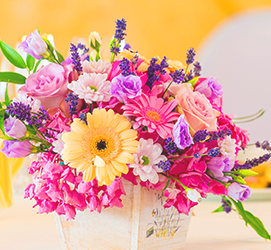
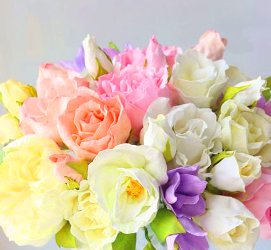
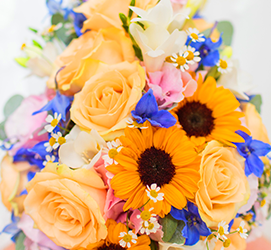
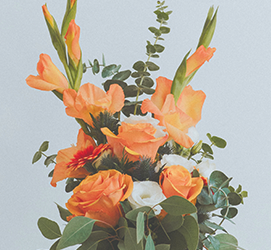
Perfect Flowers for Events in [NEIGHBOURHOOD] ([POSTCODE])
Posted on 21/11/2025
Perfect Flowers for Events in [NEIGHBOURHOOD] ([POSTCODE]): Your Definitive Local Guide
Close your eyes for a second. Imagine guests stepping into your venue in [NEIGHBOURHOOD]: the gentle scent of garden roses, the soft rustle of eucalyptus as the door opens, a burst of colour that makes people pause, smile, and--yes--pull out their phones. That's the power of the right flowers at the right event. And it's not luck; it's a craft. This guide breaks down exactly how to choose Perfect Flowers for Events in [NEIGHBOURHOOD] ([POSTCODE])--from strategy and seasonality to logistics and law--so your event looks (and feels) unforgettable.
We've designed, installed, and rescued our fair share of event florals across London. In our experience, the difference between "nice" and "wow" often comes down to three things: clarity, context, and care. You'll see why. And to be fair, a little local know-how goes a very long way.
Table of Contents
- Why This Topic Matters
- Key Benefits
- Step-by-Step Guidance
- Expert Tips
- Common Mistakes to Avoid
- Case Study or Real-World Example
- Tools, Resources & Recommendations
- Law, Compliance or Industry Standards (UK)
- Checklist
- Conclusion with CTA
- FAQ
Why This Topic Matters
Event flowers aren't just decoration; they set pace, mood, and memory. Whether it's a corporate launch, a private dinner, or a wedding in [NEIGHBOURHOOD] ([POSTCODE]), florals are one of the few elements guests interact with the entire time--visually, sometimes physically, and often through scent. When thoughtfully chosen, event flowers influence dwell time, photos, and the brand story your event tells.
Locally, there's also the practical side. Sourcing for Perfect Flowers for Events in [NEIGHBOURHOOD] ([POSTCODE]) means factoring in traffic patterns, delivery windows, venue access rules, seasonal availability, and microclimates. In London winters, for instance, you might lean on hardy textures and imported blooms with long vase life. In summer, British-grown dahlias, sweet peas, and garden roses shine--if you manage hydration and heat thoughtfully.
Quick story: It was raining hard outside that day--classic London. We were installing a dinner series at a townhouse near [NEIGHBOURHOOD] Green. Guests arrived damp and a bit bedraggled. But the foyer smelt of fresh mint, jasmine, and lime leaf--suddenly, shoulders dropped. People settled in. The programme felt calmer. Clean, clear, calm. That's the goal.
Key Benefits
Choosing event flowers with a strategic local mindset can deliver serious upside. Here's what you gain:
- Visual cohesion: Florals bridge brand colours, venue architecture, and the event narrative.
- Photogenic moments: Thoughtful placement = higher shareable content, better PR images, and more guest engagement.
- Sensory impact: Gentle fragrance sets mood without overwhelming food or conversation.
- Local authenticity: British-grown stems (season permitting) reduce travel miles and feel distinctly "London now."
- Budget efficiency: Seasonal swaps and smart mechanics cut costs while keeping impact high.
- Operational smoothness: A clear plan avoids last-minute scrambles and venue headaches.
- Longevity: Proper conditioning and selection makes arrangements last through multi-day activations.
- Sustainability wins: Foam-free mechanics, reusable vessels, and donation plans reduce waste.
A little human moment here: one client told us, "I wasnt expecting flowers to change the way people spoke to each other." But they do--softer tones, more smiles, longer chats. It's subtle, and it matters.
Step-by-Step Guidance
Here's a practical path to choosing the Perfect Flowers for Events in [NEIGHBOURHOOD] ([POSTCODE]), from first brief to pack-down.
1) Start with the Purpose, then Palette
Ever tried planning florals by picking random stems you love? Tempting. But start with goals: Are you elevating a brand, celebrating a milestone, or creating intimacy? From there, choose a palette that makes sense with the venue and lighting. Warm whites and soft greens for heritage spaces; bolder hues for contemporary venues; saturated accents for black-tie evenings.
Micro moment: We once toned down a neon palette after a site visit revealed brass wall lights turning everything orange at dusk. A quick pivot saved the look--and the photos.
2) Map the Space
Walk the venue in [NEIGHBOURHOOD]. Note entrances, bars, service routes, tight stairwells, and ceiling heights. Identify "hero" moments (stage, photo backdrop, head table) and "supporting" areas (restrooms, cloakroom, buffet). Sketch a simple map. Decide where you want impact and where you want calm.
Truth be told, the best designs often leave breathing room. Not every surface needs a flower.
3) Choose Seasonal, Venue-Appropriate Blooms
Leaning seasonal keeps costs sensible and textures reading "authentic." Examples by UK seasonality (availability varies weekly):
- Spring: Ranunculus, tulips, hellebores, narcissi, lilac, blossom branches.
- Summer: Garden roses, sweet peas, delphinium, peonies (early), hydrangea (later), dahlias (late summer into autumn).
- Autumn: Dahlias, chrysanthemums, amaranthus, berries, textured foliage.
- Winter: Roses, anemones, hyacinth, amaryllis, pussy willow, evergreens.
In [NEIGHBOURHOOD] ([POSTCODE]), venues vary wildly--warehouse, townhouse, hotel ballroom--so the flower choices should match the space. High ceilings love tall branches; intimate rooms love low clustered bowls. You get the idea.
4) Plan Mechanics That Respect the Venue
Use foam-free mechanics where possible: chicken wire, reusable armatures, water-filled vessels with Kenzan (pin frogs). For ceiling installs, check load-bearing points and fire routes. Always get venue approval for anything attached to walls or beams. It's not just polite; it's safety.
5) Budget the Smart Way
Prioritise focal moments: entrance, main stage/backdrop, high-traffic areas. Stretch budget with foliage, seasonal branches, and texture. Consider re-purposing--ceremony arrangements can become dinner features with minimal tweaks. In event flowers [POSTCODE] work, reusability can save 15-30% of your floral spend without dropping impact.
6) Logistics: Timings, Access, and Hydration
Confirm load-in times with the venue. Plan staging space for buckets, tools, and waste. Build in extra time for London traffic (we always do). Keep stems hydrated until the very last possible moment, especially in summer. Assign someone to mist delicate elements mid-event if heat spikes.
7) Scent Strategy
Choose lightly fragrant flowers near dining--think sweet peas or garden roses in moderation--keeping strong scents away from food stations. For entry areas, you can dial up fragrance a touch to create a memorable first impression.
8) Allergy and Safety Considerations
Opt for lower-pollen blooms or remove stamens from lilies. Avoid toxic species where guests could nibble (kids do the funniest things). We'll cover UK guidance later, but note: no loose petals on fire routes and nothing that blocks signage.
9) On-the-Day Installation
Pack a kit: secateurs, cable ties, gaffer tape, spare vases, towels, ladder, candles, matches, drip trays, bin bags, hand wipes. Keep your floor clean and your buckets labelled. It sounds basic, but it's the difference between serene and chaos.
10) End-of-Event Plan and Sustainability
Pre-arrange what happens after: break-down times, what's reused, what's donated, and where waste goes. Consider working with local charities to donate suitable arrangements. Compost green waste where possible, and reuse vessels. Little steps, big heart.
One more human aside: you could almost smell the cardboard dust in the air during a late-night pack-down last winter. We were tired, happy, and weirdly proud. That's the feeling a good floral plan gives you--job done right.
Expert Tips
- Design for the camera as well as the room. Check framing from key photo points--entrance, stage, step-and-repeat--so florals land in the shot.
- Match bloom scale to table shape. Long trestles love low, continuous runners; round tables sing with balanced, modest-height pieces.
- Use texture to signal luxury. Layer ruffled petals (ranunculus), airy bits (paniculata), and structural branches for depth without screaming "expensive."
- Trial your palette in the venue light. A test posy on-site can reveal surprises--lighting shifts, paint undertones, reflective surfaces.
- Go foam-free when you can. Better for the planet and often kinder to stems. Your future self will thank you at pack-down.
- Secure everything. London doors slam. Air-con kicks. Cable tie and weight your designs so they don't... take flight.
- Consider scent arcs. Light at entry, minimal at dining, gentle in lounges. Guests should notice pleasantly, not sneeze.
- Build buffer time. Deliveries run late, traffic happens, lifts stall. Add 20-30% time margin. You'll sleep better.
Yeah, weve all been there--sprinting with a bucket five minutes before doors open. A good plan avoids the sprint. Mostly.
Common Mistakes to Avoid
- Over-scenting dining tables. If the room smells like a perfume counter, it's too much.
- Ignoring lighting. Flowers that look glowingly romantic at noon can look muddy at 8pm. Test!
- Underestimating setup time. Big installs take longer than you think. Add hands, add time.
- Choosing fragile stems for hot rooms. Delphinium and peonies sulk in heat. Protect or pivot.
- Forgetting the venue's rules. No adhesives on walls? No open flames? Always check.
- Blocking sightlines. Keep centerpieces low or high enough to talk under.
- No plan for the end. Disposal, donation, or reuse--decide before the day.
- Clashing with brand colours or dress code. Coordinate with the palette early to avoid awkward near-matches.
Ever tried clearing a room and found yourself keeping everything "just in case"? Same energy with florals--edit ruthlessly. Strong choices beat lots of choices.
Case Study or Real-World Example
How We Helped a [NEIGHBOURHOOD] ([POSTCODE]) Restaurant Transform with Local Flowers
Brief: a neighbourhood restaurant in [NEIGHBOURHOOD] wanted to turn their private dining area into a two-week pop-up experience--elevated but relaxed, suitable for press lunches and intimate dinners. The budget wasn't vast, but the ambition was. Classic London story.
Approach: we built the concept around seasonal British flowers--garden roses, sweet peas, and scented pelargonium--plus airy grasses for movement. Palette: soft peach, buff, and apricot with cool sage foliage to complement the restaurant's warm wood and brass.
Mechanics: entirely foam-free--pin frogs in low bowls, weighted urns at the entrance, and a reclaimed branch canopy wired safely to existing architectural points (pre-approved by the venue). We scheduled early morning drops to dodge service rush and used drip trays to protect flooring.
Results in numbers (approximate):
- 60% British-grown stems by stem count (variable weekly availability).
- 15-20% cost saved by repurposing entrance arrangements for evening service.
- Social lift: +38% Instagram story interactions week-on-week; an editor DM'd "the room smells like summer."
- Longevity: with daily misting and stem swaps, arrangements held beautifully across the full two weeks.
It was raining on day one--again--but the moment guests crossed the threshold, the room felt bright and welcoming. The manager whispered, "It feels like weve changed the menu, without changing the menu." That's the magic of Perfect Flowers for Events in [NEIGHBOURHOOD] ([POSTCODE]) done right.
Tools, Resources & Recommendations
- Planning apps: Trello/Asana for tasking; shared moodboards on Pinterest or Milanote to align palettes.
- Vase-life cheat sheets: Keep notes on conditioning and lifespan (e.g., ranunculus 5-7 days, garden roses 3-5 with care).
- Local sourcing: New Covent Garden Market for broad selection; "Flowers from the Farm" growers for British seasonal stems.
- Mechanics kit: Chicken wire, kenzan, zip ties, waterproof tape, reusable vessels, ladder-rated steps, drip trays.
- Transport: Clean water buckets, wraps, insulated boxes in heat; de-bucket last at venue for freshness.
- Allergy-friendly picks: Hydrangea (minimal pollen exposure in arrangements), roses, orchids, snapdragons, lisianthus.
- Fragrance guide: Light (sweet peas), medium (garden roses), strong (lilies--often best avoided near food).
- Waste & donation: Coordinate with local charities; plan composting and reuse of vessels/structures.
Small tip we love: pre-label buckets by design zone--"entrance," "stage," "dining." On-site flow improves massively, youll see.
Law, Compliance or Industry Standards (UK-focused)
Event floristry in the UK intersects with several practical standards. Here's what to know for event flowers in [NEIGHBOURHOOD] ([POSTCODE]):
- Venue rules and fire safety: Follow the venue's fire risk assessment. Keep exits and signage clear. Avoid blocking sprinklers or using flammable materials near heat sources. Candles typically require enclosed holders and drip protection.
- HSE guidance: Safe ladder use, manual handling (water buckets are heavy), and working at height protocols. Ensure only competent staff install overhead designs.
- COSHH considerations: Floral preservatives and cleaning products should be handled per Control of Substances Hazardous to Health guidance. Store safely; label clearly.
- Electrical safety: Any integrated lighting must be PAT-tested if required by the venue. Keep moisture away from cables, obviously.
- Food safety interface (FSA): Keep potentially toxic flowers and foliage away from plates and garnishes unless confirmed food-safe. Avoid high-shedding pollen near open food.
- Plant health & biosecurity: UK import rules change periodically; purchasing through reputable wholesalers or UK growers helps maintain compliance with DEFRA plant health standards.
- Waste duty of care: Under the Environmental Protection Act 1990, trade waste must be handled by licensed carriers. Arrange proper removal for green waste and packaging.
- Insurance: Public liability insurance is standard for event florists; many venues require proof (often ?5-10m cover in London).
Keep a simple compliance file for each event: risk assessment, method statements, insurance, PAT docs, and venue approvals. It sounds dry, but it's the backbone of professional calm.
Checklist
Use this quick list to keep your Perfect Flowers for Events in [NEIGHBOURHOOD] ([POSTCODE]) project on track:
- Define purpose and vibe; lock palette aligned to venue light.
- Walkthrough: measure entrances, ceiling points, and table sizes.
- Prioritise focal areas; decide "wow" vs "supporting" zones.
- Choose seasonal stems; confirm availability week-of.
- Plan foam-free, venue-safe mechanics; secure approvals.
- Budget for impact; design reuse between ceremony/dinner if relevant.
- Schedule deliveries; add 20-30% time margin for London traffic.
- Prep installation kit; label buckets by zone.
- Design a scent arc; manage allergies.
- Risk assessment, method statements, insurance ready.
- End-of-event plan: donation, composting, vessel returns.
Pin it to the wall. Or your brain. Either works.
Conclusion with CTA
Flowers change rooms--and people. When you plan with purpose, respect the venue, and lean on local knowledge, your event in [NEIGHBOURHOOD] ([POSTCODE]) becomes more than a date in the diary. It becomes a memory guests carry home. The perfect flowers aren't just pretty; they're intentional. They tell your story.
If you're ready to map out Perfect Flowers for Events in [NEIGHBOURHOOD] ([POSTCODE])--from concept to candles out--we're here to help, calmly and carefully.
Get a free quote today and see how much you can save.
Take a breath. Your event is going to feel just right.
FAQ
How far in advance should I book event flowers in [NEIGHBOURHOOD] ([POSTCODE])?
For weddings, 6-12 months is typical. For corporate or private events, 4-8 weeks usually works. Short notice is possible off-peak, but seasonality and availability may limit choice.
What's a realistic budget for Perfect Flowers for Events in [NEIGHBOURHOOD] ([POSTCODE])?
Budgets vary by scale. Small private dinners might start from a few hundred pounds; mid-size events often range ?1,500-?6,000; large installs can exceed ?10,000. Prioritise impact zones for best value.
Which flowers last longest for multi-day events?
Chrysanthemums, carnations, alstroemeria, orchids, and some roses hold well. Avoid heat-sensitive stems (e.g., delphinium) without careful hydration and cool placement.
Are there allergy-friendly options for guests?
Yes--opt for low-pollen varieties like roses, orchids, hydrangea, lisianthus, snapdragons. Removing lily stamens helps, but lilies are often best avoided near dining.
Can I repurpose ceremony flowers for the reception?
Absolutely. With smart mechanics, arch pieces can become bar features, and aisle meadows can flank the stage. It's a practical way to stretch budget and reduce waste.
How do I coordinate florals with venue lighting?
Do a site visit at roughly the same time of day as your event. Test a mini arrangement in that light, and ask about dimmers, uplighters, and candles. Adjust palette accordingly.
Will strong scents interfere with food and drinks?
They can. Keep fragrance minimal on tables and near bars. Save stronger scents for entrances or lounge areas so guests notice pleasantly without overpowering flavours.
Do I need permits or insurance for floral installations?
You'll need venue approvals for attachments or overhead installations, and your florist should have public liability insurance. Some venues request risk assessments and method statements too.
How do you handle sustainability for event flowers in [NEIGHBOURHOOD]?
We prioritise seasonal and British-grown when practical, use foam-free mechanics, reuse vessels, and plan donation/composting. Sustainable choices often save cost as well--win-win.
What if there's a heatwave or cold snap on the event day?
We build contingencies: earlier conditioning, insulated transport, on-site hydration, and backup stem options. If the weather flips, we pivot stem choices to protect the look.
How much setup time should I allow at the venue?
For modest table designs, 1-3 hours is typical. For larger installs, allow 4-8 hours or split over two days. Add more time if access is tight or you're installing overhead pieces.
Can you match brand or bridal colours exactly?
We can get very close. Flowers vary by crop and light, so we use complementary tones and textures to achieve the visual feel--even if the exact Pantone isn't available that week.
What's included in a professional floristry quote?
Usually design time, stems, mechanics, vessels, installation, travel, and pack-down. Ask for clarity on reusables, breakages, late-night fees, and waste handling.
Do you work with candles and styling items too?
Many florists offer integrated styling--candles, linens, props. One team handling both reduces friction and ensures the room feels cohesive.
What's the best way to get started?
Share your date, venue, guest count, palette, and a few inspiration images. A short call and a site visit in [NEIGHBOURHOOD] ([POSTCODE]) will shape a precise, realistic plan.
Final thought: choose with intention, leave room for breath, and let the flowers do what they do best--quietly transform the room.


Latest Posts
Perfect Flowers for Events in [NEIGHBOURHOOD] ([POSTCODE])
How to Create Stunning Garden Beds in [AREA] Parks
Top 12 Flowers Famous for Their Exceptional Longevity